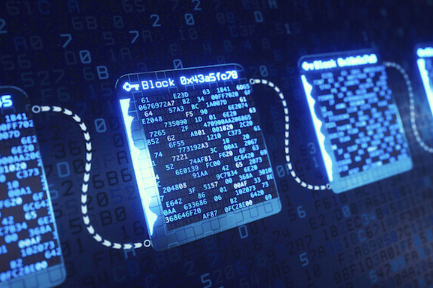
Blockchain-powered digital asset platforms unify tokenization, NFTs, and DeFi on distributed ledgers. They rely on smart contracts, standardized tokens, and interoperable protocols to enable secure, auditable ownership and liquid markets. The approach emphasizes user autonomy, modular architecture, and efficiency by reducing intermediaries. Yet questions remain about security, compliance, and cross-chain interoperability that shape each platform’s viability and evolution. The next sections address how these factors influence design decisions and real-world use cases.
What Are Blockchain-Powered Digital Asset Platforms
Blockchain-powered digital asset platforms are decentralized ecosystems that enable the creation, transfer, and management of digital assets using blockchain technology. They operate by programmable rules, ensuring transparent ownership and traceable provenance. This framework supports tokenization economics and NFT marketplaces, aligning user autonomy with efficient markets, interoperable standards, and auditable activity, while reducing intermediaries and enhancing liquidity across diverse asset classes.
Core Technologies Driving Tokenization, NFTs, and DeFi
What core technologies underpin tokenization, NFTs, and DeFi, and how do they enable scalable, secure, and interoperable digital asset ecosystems?
Distributed ledgers provide immutable records; smart contracts automate trustless interactions; tokenization frameworks standardize asset representation; decentralized identity supports verifiable access and consent.
Interoperable protocols and composable components enable modular ecosystems, while security-by-design and user-centric interfaces sustain freedom and confidence in digital asset adoption.
How to Evaluate Platforms: Security, Compliance, and Interoperability
When evaluating platforms for tokenization, NFTs, and DeFi, practitioners must weigh security, regulatory compliance, and interoperability as cohesive criteria guiding selection and integration.
The assessment emphasizes security best practices, rigorous audit trails, and incident response readiness, alongside governance clarity and privacy protections.
Cross chain interoperability enables seamless asset movement, while standardized interfaces reduce integration risk and empower end users to pursue freedom with confidence.
See also: How Cybersecurity Protects Cloud Systems
Business Models and Use Cases Shaping the Market
The market for tokenization, NFTs, and DeFi is increasingly shaped by emergent business models that align value creation with user-centric ecosystems. These models emphasize tokenization governance mechanisms that empower communities, enable transparent decision rights, and align incentives with long-term viability.
Practical use cases include liquidity staking, asset-backed issuance, and modular platform services driving interoperable, scalable, and freely programmable digital asset experiences.
Frequently Asked Questions
How Do Digital Asset Platforms Handle Data Privacy and User Anonymity?
Digital asset platforms implement privacy preserving techniques and data minimization, balancing user consent models with on chain compliance; cross chain privacy and perpetual anonymity are pursued via zero knowledge governance, while personal data handling remains transparent and user-centric.
What Are the Hidden Costs and Fee Structures for Platforms?
Like a maze of gears, the answer reveals concealed costs: hidden fees, varying taker/maker spreads, and withdrawal charges. Pricing transparency varies; platform data privacy enforcement shapes total cost. The user-friendly approach emphasizes freedom and predictable, fair billing.
How Is Risk Managed for Cross-Chain Asset Transfers?
Risk is managed through risk modeling and cross chain security protocols, enabling real time auditing, regulatory reporting, governance voting, and upgrade governance; data minimization and privacy compliance are enforced, while fee transparency, cost optimization, and governance controls ensure transparent cross-chain transfers.
Can Tokenization Enable Real-Time Regulatory Reporting and Auditing?
Opening with a metaphor—tokenization acts like a real-time metronome. It enables real time compliance through tokenization benefits, supporting auditable, transparent records; regulators access immutable data, empowering user-centric governance while maintaining freedom and granular control.
What Governance Models Determine Platform Upgrades and Decision-Making?
Governance frameworks determine platform upgrades via consensus and upgrade protocols, balancing data privacy, user anonymity, and cross chain risk. They address regulatory reporting, auditing in real time, platform fees, cost structures, and transfer risk to support freedomhearted users.
Conclusion
In the hush of a growing network, tokens whisper value through code and consensus. Smart contracts lock intent, while audits reveal only what’s visible, never the full motive. Compliance threads weave through liquidity pools, guarding trust as markets bend to programmable rules. Interoperability lights the way, yet hidden frictions threaten momentum. As platforms interlink, user autonomy intensifies—until a final, unseen hinge decides: who owns what, and when the new digital economy finally awakens.